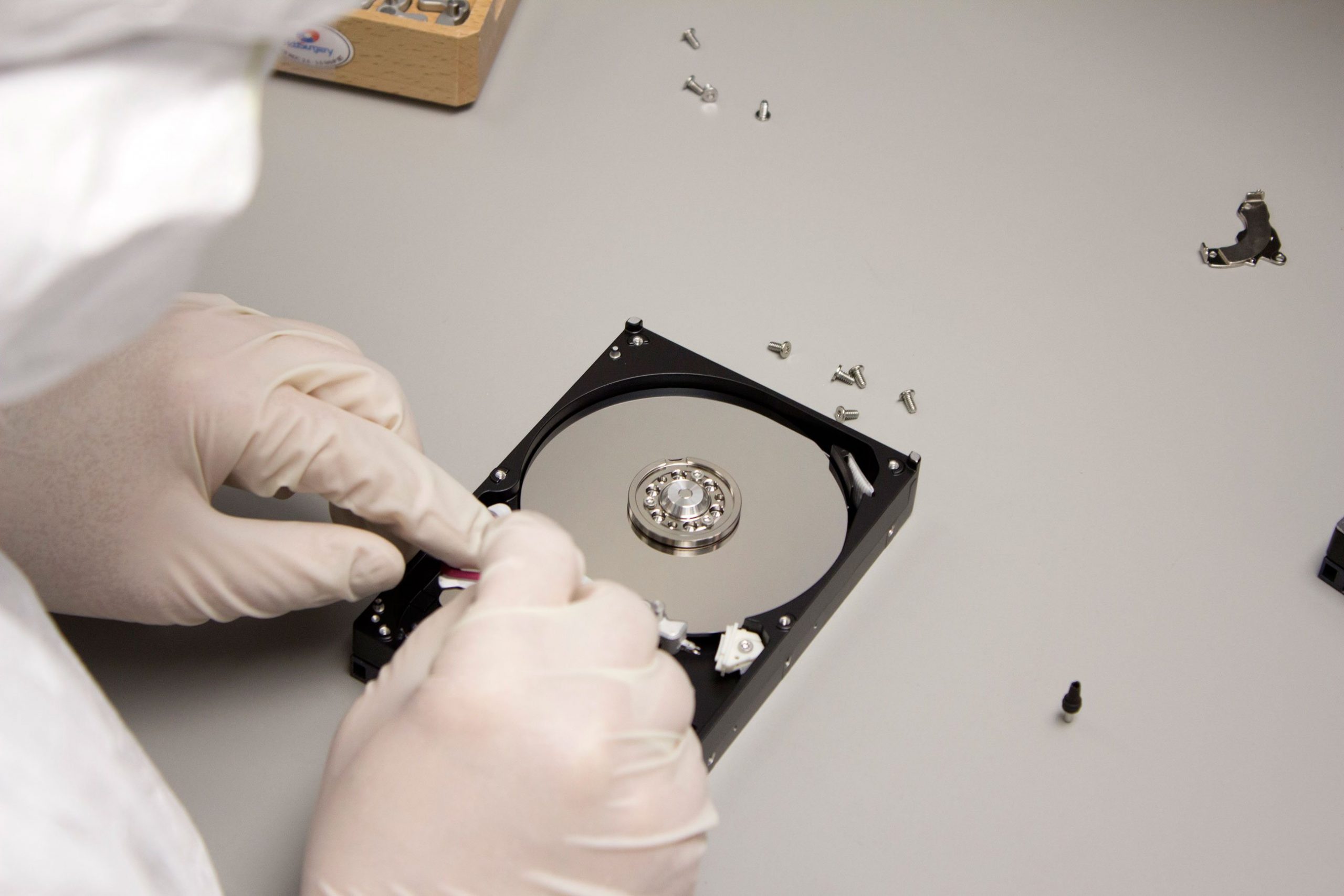
What is the computer Data Recovery Services process?

0
What is the computer Data Recovery Services process?

Data recovery services are critical when it comes to retrieving lost or corrupted data from computer hard drives and other storage devices. Whether due to accidental deletion, physical damage, or system crashes, data recovery experts follow a structured process to ensure that the lost data is retrieved accurately and safely. The process often includes stages that overlap with forensic investigations, especially when the data has been compromised or involved in a security breach. Here’s a breakdown of the typical data recovery process.

1. Evaluation: Initial Assessment

The first step in the data recovery process is evaluation. During this phase, the recovery service receives instructions and clarifies any ambiguous or unclear details about the data loss. The risk of data loss or further damage is also analyzed, and resources are allocated accordingly. The evaluation phase typically includes:

  • Clarifying Instructions: Understanding the scope of the data recovery task.
  • Risk Analysis: Assessing potential risks such as further data corruption or loss.
  • Resource Allocation: Determining what tools and personnel are needed.

This stage ensures that the recovery service is fully prepared to begin the process without risking additional harm to the storage device. 

Data Recovery Services

2. Collection: Securing and Transporting Evidence

Once the initial evaluation is complete, the next stage is the collection of the affected storage devices. This may involve:

  • Labeling and Bagging: Devices are carefully labeled and secured in tamper-evident bags to maintain their integrity.
  • On-Site or Off-Site Recovery: Depending on the situation, recovery may occur on-site or at a specialized forensic lab. The collection stage ensures that all potentially useful data is preserved and transported safely.

If recovery is being performed on-site, the team will also identify and secure any devices that may store relevant data, ensuring no evidence is overlooked.

3. Analysis: Data Recovery and Examination

In this stage, the examiner conducts a thorough analysis of the storage devices to attempt data recovery. The process can vary based on the specifics of the case, and communication with the client may influence the direction of the analysis. Key steps in this phase include:

  • Forensic Examination: The examiner will carefully analyze the storage medium for traces of recoverable data. This may involve using specialized software to bypass damaged file systems or recover fragmented data.
  • Client Feedback: The examiner may seek feedback from the client to refine the focus of the recovery process, ensuring that the most important data is prioritized.
  • Thorough and Impartial Process: The analysis must be accurate, unbiased, and completed within a defined timeframe to ensure all data recovery options are explored.

The goal of this stage is to recover as much of the lost or corrupted data as possible while minimizing the risk of further damage to the device.

4. Presentation: Reporting the Findings

Once the analysis is complete, the examiner prepares a report detailing their findings. This includes:

  • Recovery Results: A detailed explanation of the recovered data, highlighting any challenges faced during the recovery process.
  • Documentation: Providing a clear and concise record of the recovery process, the tools used, and any anomalies encountered.
  • Client Instructions: Addressing the initial instructions, including any additional instructions or changes made during the analysis.

The presentation stage is essential for ensuring that the client is fully informed about the recovery process, what data has been retrieved, and any next steps that may be required.

Conclusion

The data recovery services process is a methodical approach that ensures lost or corrupted data is recovered safely and efficiently. Whether the data loss is due to accidental deletion, physical damage, or software corruption, each stage of the recovery process—from evaluation to presentation—is designed to protect the integrity of the storage device and the data it contains. By following these standard procedures, data recovery experts can maximize the chances of a successful recovery and provide clients with the best possible outcome.

Leave a Reply

Your email address will not be published. Required fields are marked *