Data Recovery is an extremely sensitive activity. Professionals such as Data Recovery Lab Center impose themselves secure processes to avoid any irreparable loss of data due to the fragility of the storage media.
If the use of data recovery software has the advantage of being able to find your files at a lower cost, it runs the risk of losing them permanently and even making the hard drive HS and therefore extending the data loss to the entire carrier.
Data recovery software does not perform fault diagnosis . Using it is already reading the hard disk. If the data loss is of hardware origin, this action will therefore potentially further alter the physical problem (crash of the reading heads, scratches on the platters, etc.) and make the data loss irreversible.
In addition, some software can add applications to your hard drive or even corrupt your healthy files…
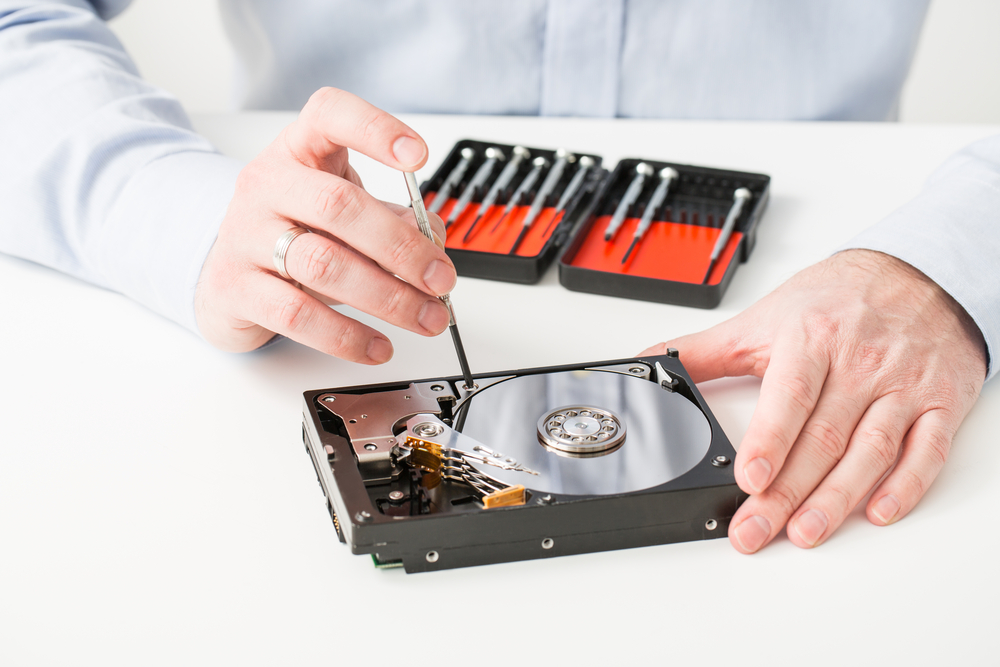
Making the right diagnosis requires professional expertise that only a laboratory specializing in data recovery has. This is why it is essential to entrust your defective hard drive when the lost files are valuable. The risk-benefit ratio is very often unfavorable to data recovery software!
Also, be careful not to download and install data recovery software directly onto the hard drive in question. Indeed, this could lead to the overwriting of lost Youtube data and therefore the impossibility of restoring them later…
When using it, it is also recommended to save the restored files on another storage medium.
Depending on the data recovery software, there may be freemium versions with reduced functionality and paid versions capable of acting in more complex situations or for a larger volume of files.