How To Data Recovery Services From A Formatted Hard Drive?
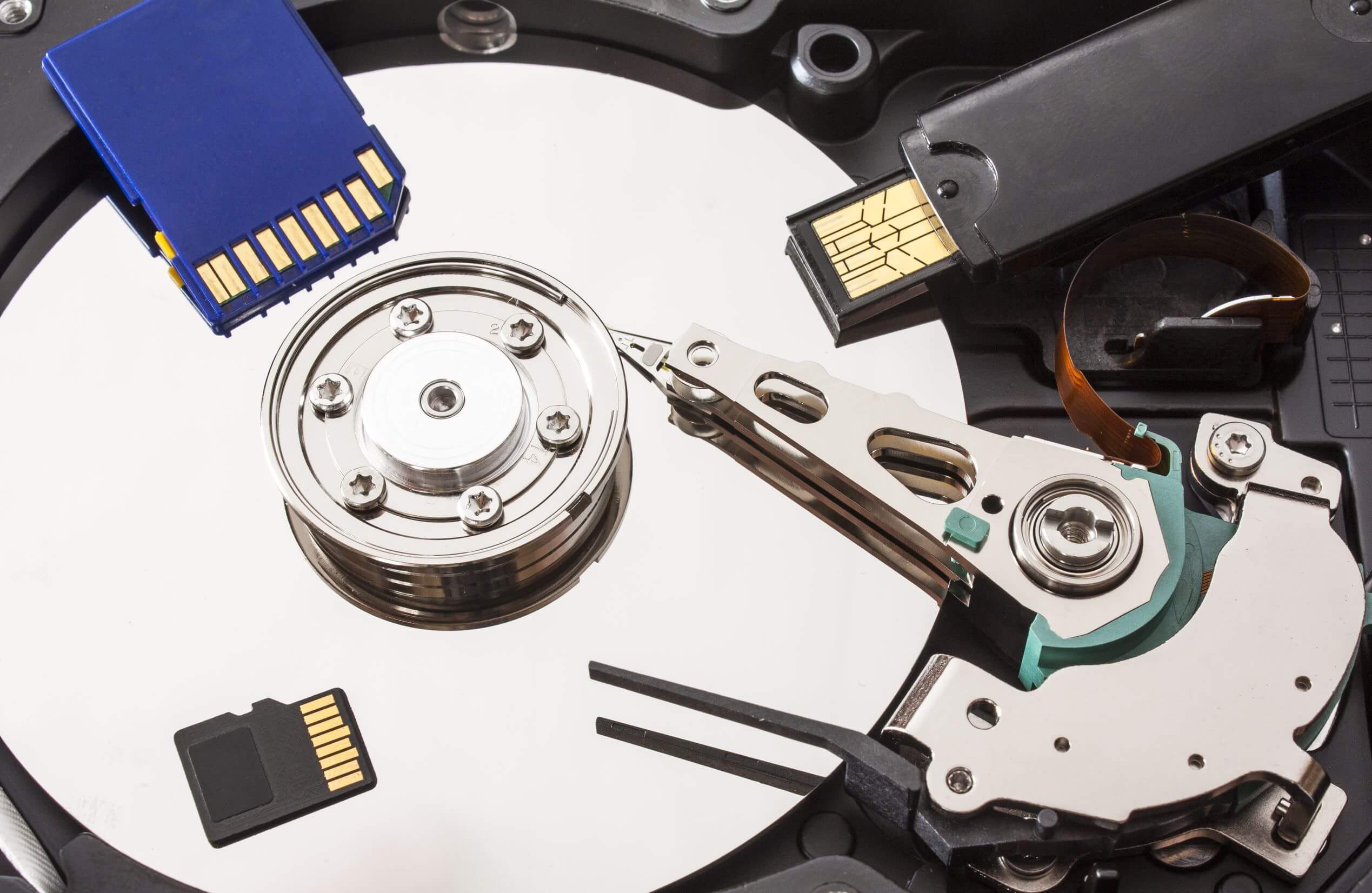
If you’ve accidentally formatted your hard drive, you might be concerned about losing valuable files and data. Fortunately, it’s often possible to recover data from a formatted hard drive, as long as the data hasn’t been overwritten. In this guide, we’ll walk you through the steps to recover your data effectively using specialized recovery software.
Step-by-Step Guide to Data Recovery from a Formatted Hard Drive
1. Stop Using the Formatted Hard Drive
Once you realize that you’ve formatted your hard drive, it’s crucial to stop using it immediately. When you format a drive, the data isn’t wiped out entirely but is marked as “available space” for new data. If you continue to write new files to the drive, you risk overwriting the data, which makes recovery impossible.
2. Download and Install Recovery Software
To recover data from a formatted hard drive, you need to use data recovery software. One popular choice is Recover, a tool designed for deep scanning and file recovery. However, do not install the recovery software on the formatted drive, as this could overwrite the very data you’re trying to recover.
Instead, download and install the software on another drive (such as your computer’s internal drive or an external drive) to avoid any risk of data overwriting.
Installation Steps:
- Download the recovery software to a different drive.
- When prompted, select “Customize the installation” to choose the directory where you want to install the software.
- Install the software and complete the setup process.
- Launch the recovery software from your desktop icon once installation is complete.
3. Select the Formatted Hard Drive
After launching the recovery software, the interface will display a list of directories, drives, and devices that the software can analyze. Under the “Hard disks” category, locate and select your formatted hard drive.
Click on “Start” to begin scanning the formatted disk for recoverable data.
4. Deep Scan the Formatted Drive
The recovery software will perform a deep scan of the formatted drive. This process can take some time, depending on the size of the drive and the amount of data on it. The progress of the scan will be displayed on the screen via a progress bar.
The software will search through the drive’s file system and attempt to recover any files that can still be salvaged.
5. Preview and Sort the Found Files
Once the scan is complete, the recovery software will display all the recoverable files. You can browse through the list and preview the files to confirm that they are intact.
- Search for Specific Files: If you’re looking for a particular file, use the search field to enter its name or part of the name.
- Sort by File Type: You can also sort the results by file type for better organization. The software categorizes the files by:
- Graphics
- Video
- Audio
- Documents
- Emails
- Web files
- Archives
- Miscellaneous
- Without extension
This makes it easier to locate and prioritize the files you need to recover.
6. Preview Files Before Recovery
Before you recover a file, it’s always a good idea to preview it to ensure its integrity. Select the file you want to recover and check its properties in the right panel. You can click on the “Preview” button to view the contents of the file.
This helps you confirm that the file is recoverable and in a usable state.
7. Select Files for Recovery
Once you’ve identified the files you wish to recover, you can select them for restoration:
- Individual File Selection: If you need to recover specific files, simply check the boxes next to those files.
- Batch Recovery: If you need to recover many files, you can select files by file type (e.g., all videos, all documents, etc.) by checking the corresponding boxes in the “File type” tab in the left column.
8. Recover Your Files
After selecting the files, click the “Recover” button to restore them. Make sure to save the recovered files to a different drive (not the formatted one) to prevent overwriting any other data on the formatted drive.
Tips for Effective Data Recovery
- Act Quickly: The sooner you start the recovery process, the higher the chances of successful recovery. If you continue using the drive, new data could overwrite the deleted files.
- Choose a Reliable Recovery Tool: Using trusted recovery software like Recover will significantly increase your chances of recovering data.
- Avoid Installing Software on the Formatted Drive: Always install the recovery software on a different drive to prevent data overwriting.
Conclusion
Recovering data from a formatted hard drive is possible as long as you act quickly and use the right tools. By following the steps outlined above, you can maximize your chances of recovering lost files without the need for professional services. Remember, the key to successful recovery is not overwriting any more data on the formatted drive and using reliable recovery software.


